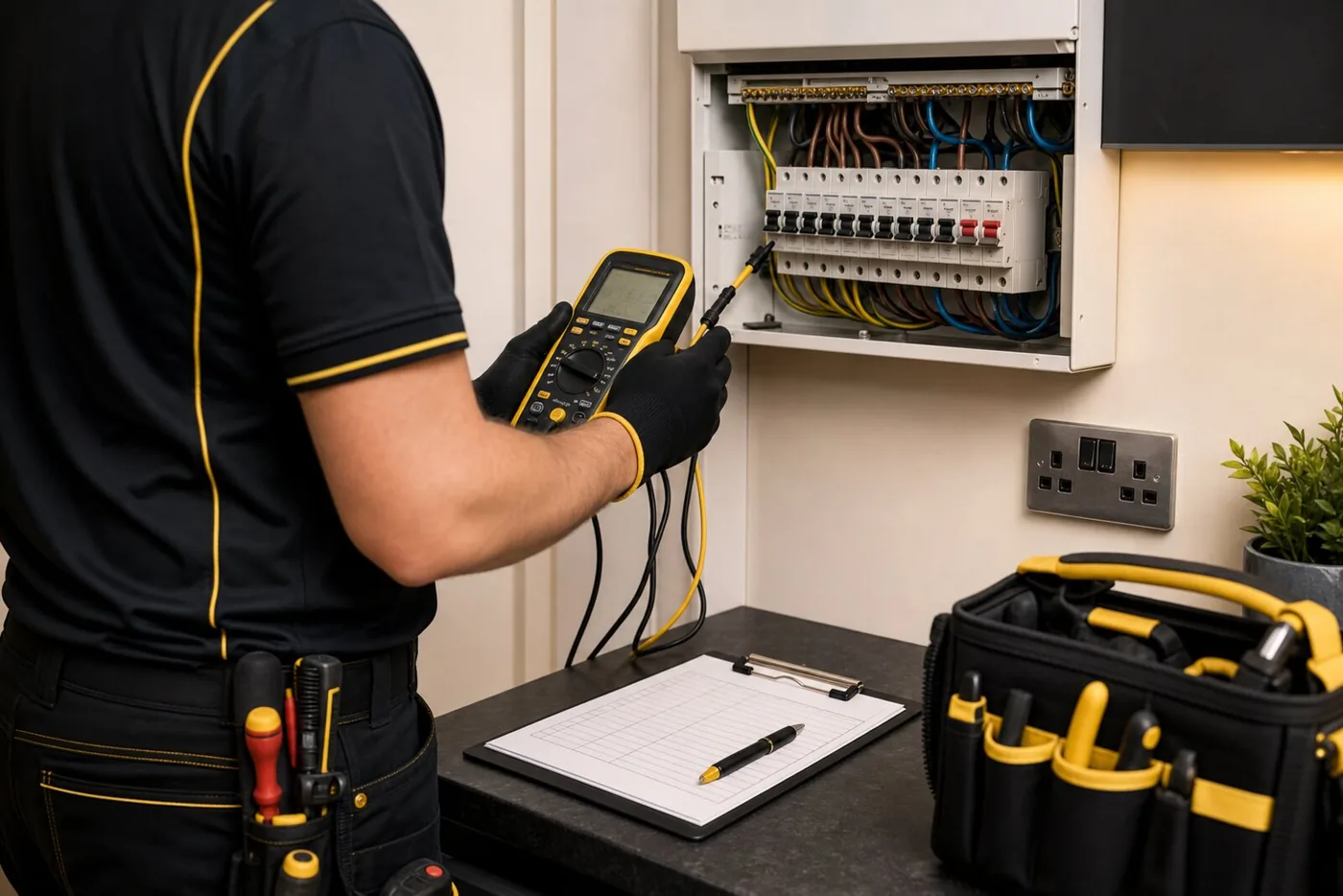
For a rented home in Doncaster, start with the existing EICR: its outcome, the next inspection date and any unresolved findings. The normal maximum interval is five years, but a report can require an earlier inspection.
That does not mean every landlord needs to arrange a new inspection immediately. It does mean this is a sensible time to check the age of the last EICR, the condition of the installation and whether any remedial work is still outstanding.
What is the proposed November 2026 change?
The draft amendment published on legislation.gov.uk names BS 7671:2018+A4:2026 as the updated electrical standard and specifies 30 November 2026 as its intended commencement date. The Parliament record also lists that date. Check the final legislation and current GOV.UK guidance when arranging work; a published draft should not be described as a change already in force.
This is separate from the transitional deadline for older social housing tenancies, where initial checks are required before 1 November 2026. Neither date is a reason to postpone an overdue inspection or leave a dangerous fault unresolved.
Social housing electrical checks and the before-1-November deadline
What should Doncaster landlords check now?
Find the most recent EICR and check its inspection date, outcome, recommended remedial work and any certificates for work completed afterwards. If paperwork is missing, do not assume the installation is compliant because the tenant has not reported a problem.
Also look at obvious warning signs: repeated tripping, damaged accessories, warm sockets, buzzing, exposed cables, signs of amateur alterations or a consumer unit that is difficult to identify and label. These need a proper electrical assessment rather than a quick visual tidy-up.
Does the change mean an EICR is needed every year?
No. The draft amendment does not introduce an annual EICR. Use the next inspection date on the report, within the five-year maximum. Under GOV.UK guidance, a change of tenant does not automatically require a fresh EICR where the existing report is valid and no investigative or remedial work remains outstanding.
The right date still depends on the property, the previous report and any work carried out since. A qualified electrician can explain whether the existing report remains within date and what needs doing next.
Keep remedial work and paperwork together
C1 means danger is present, C2 means potentially dangerous and FI means further investigation is needed without delay. C3 is an improvement recommendation and does not on its own make a report unsatisfactory. Required remedial or investigative work must be completed within 28 days, or sooner where the report specifies.
For planned work, send the property address, the last EICR, photos of the consumer unit and details of any faults or alterations. That gives the electrician useful context before arranging inspection, testing or repairs.
Keep the original report with the written confirmation of completed remedial work and the relevant certificates. An invoice alone may describe a repair without showing the inspection result or confirming that the recorded defect has been resolved.
A sensible rented-property check before November
- Find the latest EICR and confirm the inspection date and outcome.
- Check whether any C1, C2 or FI items were left unresolved.
- Keep electrical certificates and remedial invoices with the property records.
- Arrange advice for repeated tripping, heat, buzzing, damage or suspected alterations.
- Ask which standard and testing paperwork will apply to any new electrical work.