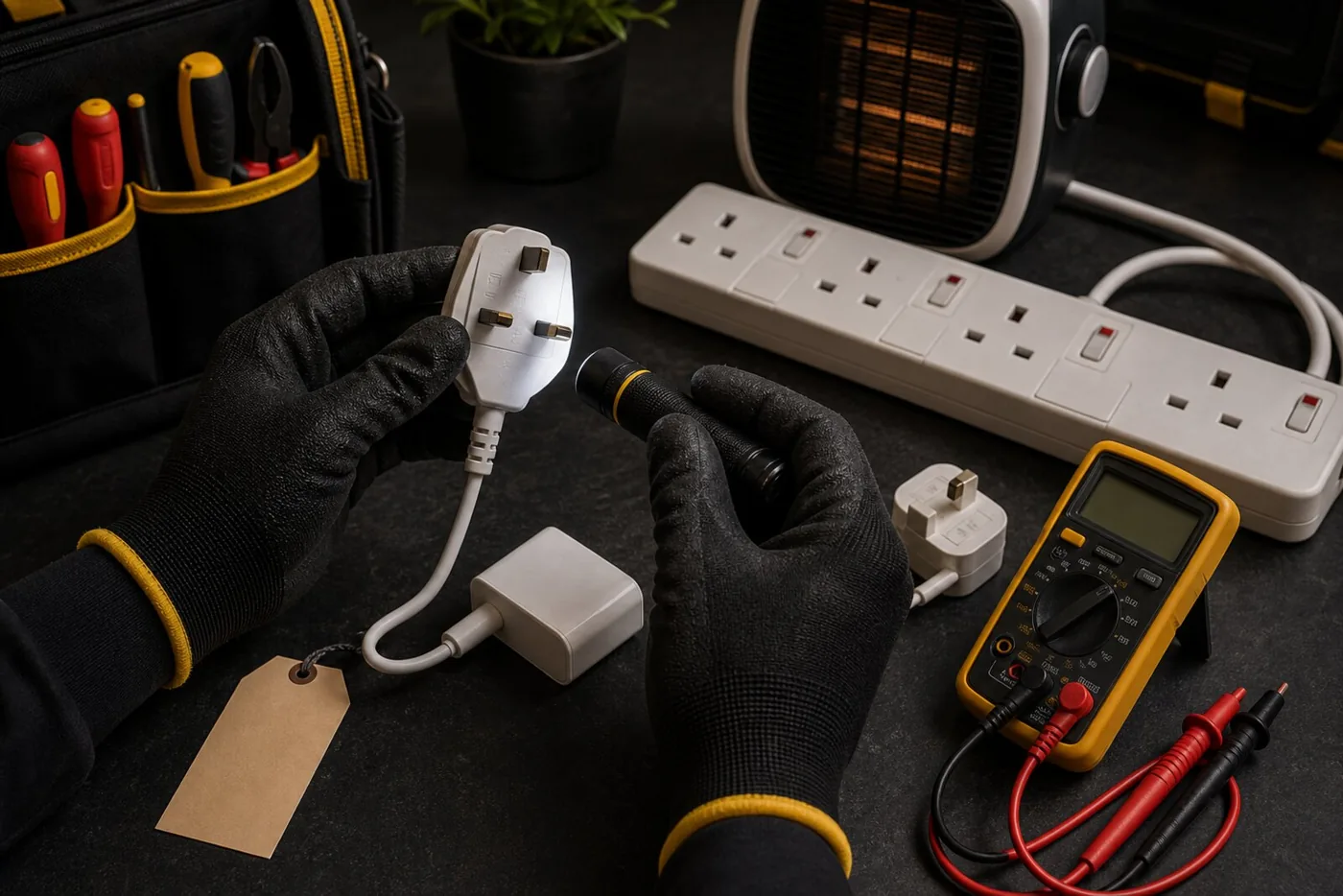
Electrical safety is not only about the wiring in the walls. Chargers, extension leads, heaters, kitchen appliances and small devices can all become a risk if they are faulty, damaged or subject to a recall.
To check an item, match its make, exact model and any batch or serial number against an official notice. The same brand may sell several similar-looking products, and a recall may cover only particular models or production batches.
Where to check recalls
The Office for Product Safety and Standards publishes product safety alerts, reports and recalls on GOV.UK. Electrical Safety First also keeps recall advice and links to current recall information.
It is worth searching by brand, model number and product type. Check chargers, heaters, tumble dryers, hair appliances, extension leads, adaptors and anything bought from an online marketplace where the seller may not be obvious.
Search official UK product recalls and safety alerts
Use the Electrical Safety First product recall checker
Where to find the model and serial number
Look at the rating label, instruction booklet, order history or manufacturer account. On a charger or extension lead, the identification may be printed on the casing; appliance labels can be on an accessible door edge or another location shown in the manual.
Do not pull out a heavy built-in appliance, remove electrical covers or handle damaged equipment just to find a number. A receipt or photograph taken during installation may help. Contact the manufacturer if you cannot safely identify the model.
How to match a recall notice
Read the affected model, batch, barcode and sale dates where listed. Compare those details with your item, not just the photograph or the marketplace listing. A similar name or case colour does not confirm whether your product is included.
Follow the specific action in the notice. The remedy might involve a manufacturer repair, replacement, refund or disposal instructions; it is not the same for every recall. Keep the notice reference and your correspondence with the seller or manufacturer.
When to stop using a product
Stop using a product if it smells hot, sparks, discolours, trips the circuit or has a damaged cable or plug. Switch off and unplug it only if safe to do so; do not touch hot, damaged or wet parts. With smoke or fire, get out, stay out and call 999.
If a recall notice says to stop using the product, follow that instruction and contact the seller or manufacturer. If the electrical installation itself is tripping after the product is removed, the circuit should be tested.
A useful moving-house habit
When you move into a property, check appliances left behind by the previous owner or landlord. It is also a good time to look at extension leads, overloaded sockets and the consumer unit.
If the property has repeated tripping, burning smells or old wiring, arrange fault finding or an EICR rather than guessing from the symptoms.
Fault finding for damaged sockets and repeated tripping
What if the product is not listed?
No recall result is not proof that an item is safe. A particular unit can still be damaged, incorrectly used or faulty. Stop using suspect equipment and contact its manufacturer or retailer instead of reconnecting it to see whether the problem happens again.
For a Doncaster fault-finding enquiry, explain whether the problem stopped when the appliance was disconnected and whether the socket shows damage. We assess fixed wiring and circuits; the official recall remedy remains with the product supplier or manufacturer.
Items worth checking
- Phone, laptop and tool chargers.
- Extension leads, adaptors and multi-socket towers.
- Heaters, tumble dryers and kitchen appliances.
- Hair straighteners, dryers and beauty devices.
- Any electrical item bought second-hand or from an online marketplace.